
This classic chicken liver pâté recipe is easy to make. Its mild flavor and silky, smooth texture make it a great recipe for an elegant, luxurious dinner party.
What is it?
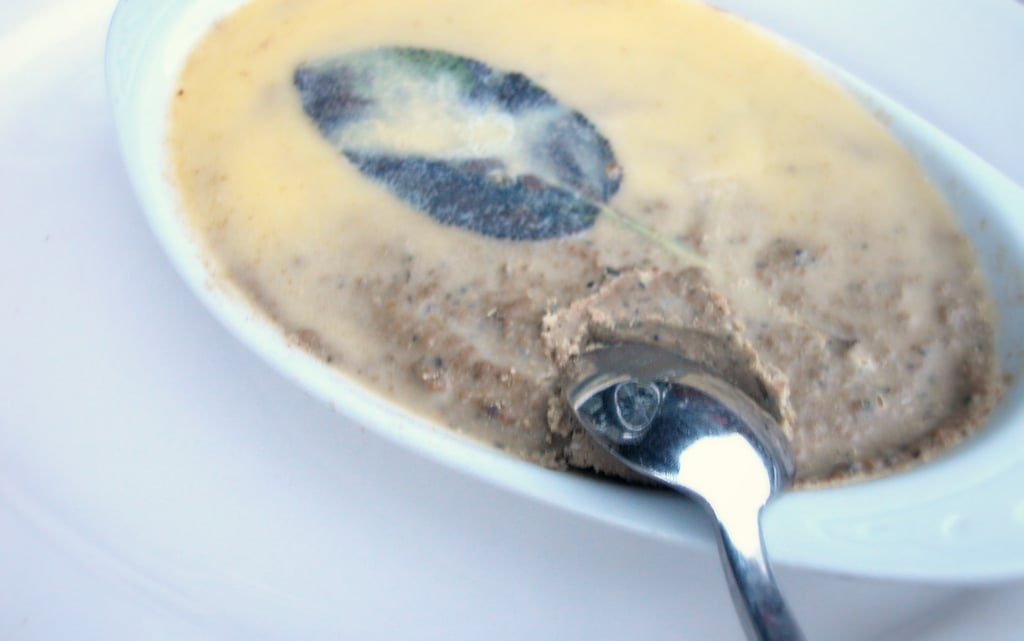
Pâté is a smooth, savory paste typically made with liver and other organ meats, butter, herbs, and shallots (or onions). It's a classic French dish with a luxurious edge. It's also easy to make at home.
Why this recipe works
- Chicken liver pâté is an excellent appetizer for special occasions, especially in the fall and winter when our bodies crave heavier foods.
- It's extremely nutrient-dense, with small portions containing loads of B vitamins, minerals, and vitamin A.
- Soaking the chicken livers in milk is a neat trick that helps soften their flavor, making a mellow and mild-flavor pâté.
- It has a silky, smooth texture that makes it an elegant appetizer.
- It's deceptively easy to make. You sauté the livers with shallots, then blend them with butter. That's about it.
Key Ingredients
The foundation of a good pâte recipe is high-quality liver. Chicken and duck liver are the mildest and the best-tasting. In addition to liver, you'll need plenty of fat. Most recipes call for butter (perhaps with a little heavy cream), but some call for bacon, chicken, or duck fat. Fat helps to emulsify the pâté, giving it a smooth texture and rich flavor. Shallots (or onions), herbs, and alcohol give the pâté flavor and balance the intensity of organ meats.
- Chicken livers are the foundation of this recipe. Compared to pork or beef liver, chicken livers have a mild flavor. They're also nutrient-dense and rich in folate, choline, selenium, and vitamin A.
- Butter and ghee lend a creaminess to pâté. They improve the flavor and the texture of the final dish.
- Shallots are a member of the onion (allium) family, and they have a beautiful oniony flavor that balances the flavor of liver. If you can't find shallots, thinly sliced yellow onions also work in this recipe.
- Sage lends a little brightness to the pâté. Its herby notes help to enliven the pâté, helping to cut its heavy flavor.
- Milk is used for soaking the chicken livers. Soaking liver and other organ meats is a traditional technique known as "clearing the blood." It improves their flavor, softening the liver's more assertive notes and making it palatable.
- Sherry helps give the pâté flavor. It lends the dish a rich, complex flavor and a note of much-needed acidity. Plus, it's a natural match for fresh sage. A little brandy will work if you don't have sherry.
Tips for Making Pâté
- Use high-quality chicken livers from pasture-raised or free-range chickens. They will be more nutrient-dense, have a richer color and better flavor.
- Trim your chicken livers well, removing all sinew and any connective tissues. If left on, those little bits of connective tissue can give your pâté an unpleasant texture.
- Cook the liver until just done and not a minute over, or your pâté may become gritty.
- For a smooth pâté, slowly add the butter to the food processor, about one tablespoon at a time. This will encourage the pâté to emulsify, producing a smooth texture.
- Purée it in a food processor or in a high-speed blender until completely uniform and smooth.
- Running the pâté through a China cap strainer will produce an ultra-smooth, silky texture.
- Sealing the top of the pate with clarified butter (or ghee) gives it a beautiful appearance and helps it last longer in the fridge.
- It's best to serve pâté at room temperature, as its plentiful fat will harden when cold.
Serving Suggestions
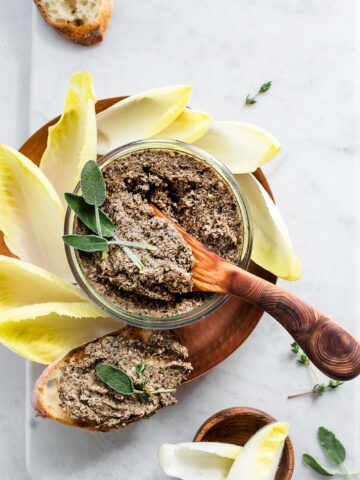
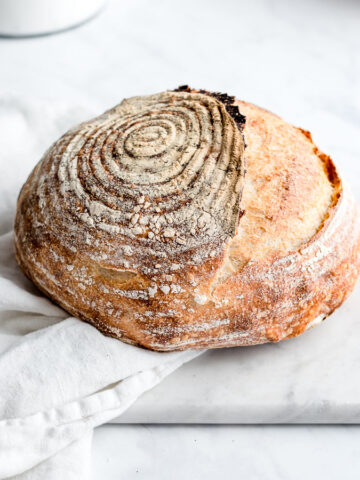
Arrange the pots of pâté on a serving tray accompanied by nice, crusty bread. No-knead sourdough bread is a win with pâté, as are homemade crackers. It's delicious slathered onto baguette slices.
If you (or your guests) avoid bread, you can spread it on apple slices or spoon it onto Belgian endive leaves. Many people also top their pâté with diced hard-boiled eggs or cornichons.
It's also a good idea to serve an alternative at the same table, as not everyone appreciates organ meats, no matter how well you prepare them. A good mushroom pâté is a nice companion and will give your guests multiple options.
But you don't need to save this recipe for a fancy dinner party. Rather, regularly eating nutrient-dense foods such as pâté is a great way to ensure you get plenty of vitamins and minerals into your diet.
I like to serve it as part of lunch. Just spread it on a little sourdough bread and serve it with a big salad. It feels like a little luxury.
Love this recipe? Get the book.
With a focus on heritage cooking and seasonal eating, you'll find loads more recipes like this one in our cookbook, available wherever books are sold.
Variations + Substitutions
For a dairy-free version, consider swapping out the milk for salt water. And substitute bacon fat for the butter and ghee. Rendered duck fat or chicken fat (schmaltz) is also a good swap for butter, as they both lend the richness that dairy provides.
For an alcohol-free version, you can skip the sherry and add a teaspoon of fresh lemon juice or pomegranate juice. These options lend acidity that's otherwise provided by the sherry.
For a richer pâté, you can incorporate a few tablespoons of heavy cream to the pâté as you purée it.
Apple brandy and cognac are excellent substitutes for sherry in this recipe. It lends a sweetness to the pâté and also works well with sage.
Mushrooms are a great addition to this pâté recipe and can be substituted for part of the chicken livers. If you're not a fan of liver or organ meats but want to take advantage of their deep nutrition, mixing mushrooms into the chicken liver mixture is a good option for slowly integrating these nutrient-dense foods into your diet.
Duck livers are an excellent substitute for chicken livers. They tend to produce a richer pâté than chicken livers and have a more luxurious edge. When substituting duck livers, consider swapping Grand Marnier for the sherry, too.
Bay leaf can stand in for sage leaves, but you'll need to remove them from the liver mixture before you blend the pâté.
Try these recipes next

Recipe Questions
Store the sealed, capped pots of pâté in an airtight container in the fridge for about 2 weeks. You should eat any leftover pâté within 5 days of breaking the seal.
Yes! Store the pâté in small, airtight jars. Transfer them to the fridge and allow them to cool completely. Then, freeze for up to 3 months.
When you're ready to serve it, allow it to thaw in the fridge overnight, and then set it on the counter to come to room temperature about an hour before serving. Keep in mind that freezing may alter the texture slightly.
Organ meats like liver can have an intense and sometimes unpleasant flavor for many people.
Soaking them in milk is a heritage cooking technique known as "clearing the blood." It softens their flavor and makes them more palatable.
Tara says
My family is mixed on liver. Some like it, some don’t. I, myself, am one of the ones who doesn’t like liver - I have tried several recipes and always end up with the gag reflex, even though I know how good it is for me. HOWEVER, this recipe is different. I was able to eat it and not gag at all. I even enjoyed it !!if you struggle with eating liver - this recipe is worth trying. I can now say I enjoy liver!
Wendell says
I like to soak my liver in home made buttermilk or lemon juice.
Terry says
I've made this (with the apple, from your book) and it is wonderful! One thing I was wondering though: I found an excellent source for chicken livers locally, but they are packed with the hearts as well. What can I do with those? Is it okay to just cook those up along with the livers and add them to the pate? Or will they be too tough?
SusaJayne says
Made this recipe a while back and it came out SUBLIME. My husband is a grown-up picky child and I was surprised that he LOVED it. Just getting ready to make it again tomorrow. Did anyone ever come up with a suggestion for a source of pastured/organic chicken livers? Blending in the softened butter at the end makes all the difference.
Agi says
This looks delicious and so easy to make, going to try it this weekend. Thanks for the recipe!
Anne says
Just chiming in to say that I have made a very similar recipe using Coconut Oil (plus a little seasalt to counter it's sweetness) in place of the softened butter - and it worked well.
Tara says
This seriously looks good. I have two tried and true pate recipes that I use, but I just may have to branch out with this one.
I'm wondering about the milk. What does it do to the pate? I haven't seen that before. I'm wondering how it affects the results.
Thank you!
Tara