


There's an old-fashioned charm to homemade root beer with its odd array of roots and bark, flowers, leaves, and berries. Fortunately, this old-fashioned herbal root beer recipe is easy to make at home.
You'll need aromatic herbs, a little bit of sugar, and a starter culture like ginger bug or kombucha. And within a few days, you'll have a naturally fizzy, bubbly brew.
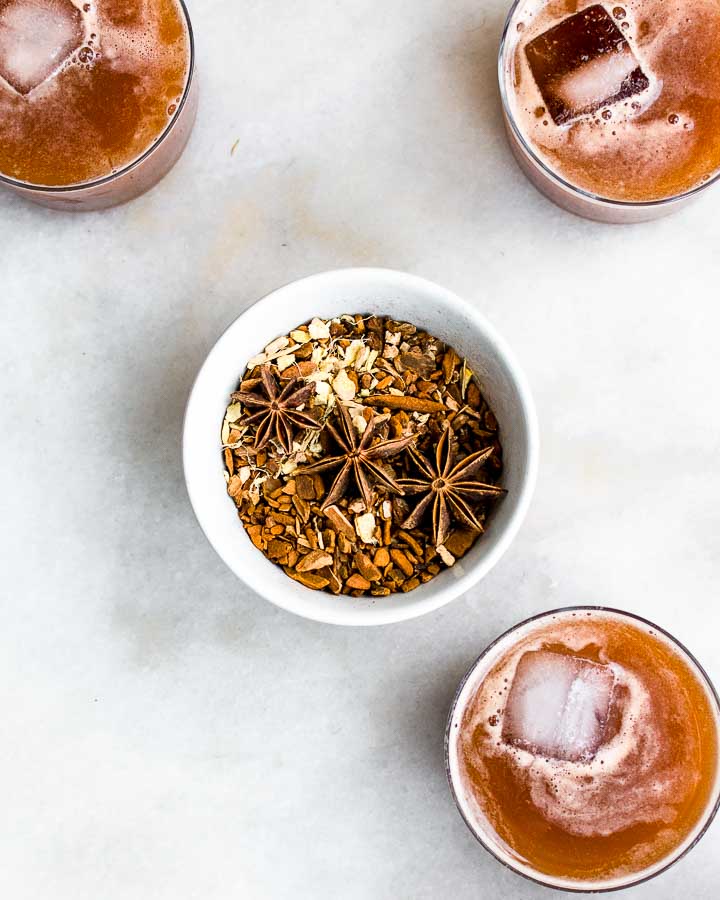
What is root beer?
Root beer is a distinctly American drink with a sweet, herbal flavor that's been made since the colonial era.
Traditionally, brewers made the drink by fermenting an herbal decoction made with sassafras bark, sarsaparilla root, and other herbs with sugar and yeast to make a naturally bubbly, probiotic soft drink. In this way, it joins the ranks of other traditionally fermented drinks such as kvass and tepache.
In the 20th century, the traditional herbal recipe fell from favor, and soft drink manufacturers began making it with artificial flavors. Moreover, they stopped culturing root beer and, instead, carbonated it.
Herbs for Homemade Root Beer
While most homebrewers make their root beers from artificially flavored root beer extracts, there's a certain undeniable charm of brewing root beer the traditional way. Slowly simmering a decoction of roots, bark, and spices, adding a touch of sugar, and then stirring in a starter.
Then all you have to do is bottle the brew and wait for those beneficial bacteria and yeast to do their work.
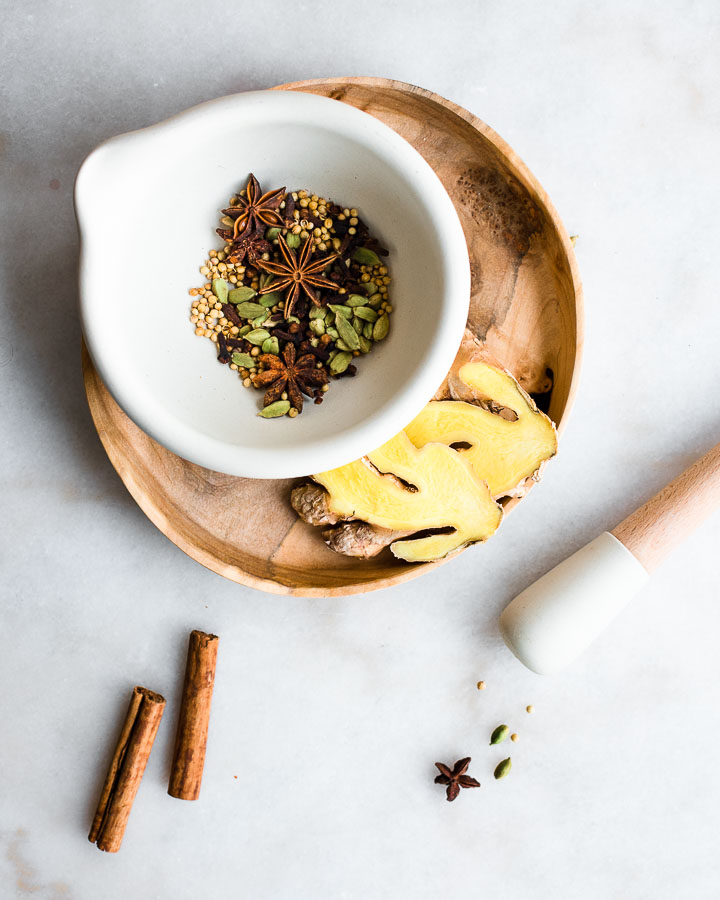
Sassafras, sarsaparilla, ginger root, and birch all give the brew its distinctive flavor, but without the additives.
- Sassafras gives root beer its distinctive, slightly mint-like flavor. And it's traditionally used to purify the blood in folk medicine.
- Sarsaparilla is traditionally used as a renal tonic and for the complexion.
- Ginger gives this root beer recipe a rich, fiery note. Herbalists use ginger to support cardiovascular and metabolic health, as well as for nausea and stomach upset.
- Licorice gives the recipe a subtle, anise-like sweetness that pairs well with sassafras. Licorice also supports adrenal health, and may be helpful in addressing hormonal imbalance in women.
- Dandelion Root adds the subtlest bitter note to the brew. Dandelion root also supports liver health.
Where to find organic herbs and spices
You can find many fresh herbs at your local grocery store; however, medicinal herbs can be harder to find locally. We recommend Mountain Rose Herbs because they stock many organic and ethically wildcrafted culinary and medicinal herbs.
The Safrole Controversy
Sassafras is the dominant flavor in traditional root beer recipes. It also contains safrole, a naturally occurring polyphenol that you can also find in nutmeg, cinnamon, and other herbs.
In the 1960s, a study conducted on lab animals implicated safrole in liver damage. Of course, the lab rats were fed massive quantities of safrole - the human equivalent of consuming about 32 twelve-ounce bottles of root beer a day. After the study was released, the FDA required commercial soft drink makers to remove sassafras from their brews.
As a result, wintergreen came to replace sassafras in commercial root beer recipes.
Interestingly, while massive quantities of safrole caused liver cancer in lab animals, it seems that small doses may actually play a protective role for humans.
And the small amounts of safrole in your homemade root beer are likely just fine.
How to Make Root Beer
There are three basic steps to making homemade root beer. First, you'll start by making an herbal decoction by simmering the herbs in water until they release their aromatic compounds and other constituents. Then you'll sweeten the brew and add a starter culture so that it ferments. Lastly, you'll bottle the root beer and let it culture.
As it ferments, all the microbes in your starter culture will consume the sweetener. As a result, your root beer will fizz and bubble. And it's a great source of probiotics, too.
Brewing Tips
Homemade root beer is easy to make and is just about as simple as boiling water or making tea. But, there are a few things to keep in mind as you make this recipe.
- Start with cold water. Tossing herbs straight into hot water may cause proteins in the herbs to seize, preventing the full release of their aromatic compounds and phytonutrients. Cold water eases this process.
- Add the sassafras last. While most woody herbs need time to release their flavor, sassafras is deeply aromatic and its aroma dissipates quickly with prolonged cooking. So toss it into the pot toward the end of simmering for the best flavor.
- Switch up the sweetener. This root beer recipe uses unrefined cane sugar, but you can also try maple syrup, maple sugar, coconut sugar, and honey. Just make sure you use a caloric sweetener so that the root beer ferments.
- Add your starter only once the herbal mixture cools. If you add your starter to the hot herbal decoction, the heat will kill the wild bacteria and yeasts. So add the culture only when the decoction cools to room temperature.
- Use flip-top bottles. Flip-top bottles effectively capture all the carbon dioxide that builds up during fermentation - which means a fizzy brew for you.
- Pay attention to the temperature in your kitchen. Homemade root beer will ferment faster in a warm kitchen, and more slowly in a cold one.
Love this recipe? There's more.
Join Nourished Kitchen+ for ad-free browsing, nourishing monthly meal plans, live workshops, and access to all our premium downloads.
Variations
Switch your starter culture by substituting kombucha, jun tea, or water kefir. You can use these fermented drinks in equal amounts as ginger bug.
Swap the sugar. You can use an equivalent amount of maple syrup, maple sugar, honey, coconut sugar, or any other caloric sweetener.
Make it milder. Traditional root beer recipes incorporate many medicinal herbs which can give a bitter edge to the brew. If you prefer a more modern-tasting root beer, eliminate dandelion root from the root beer recipe and consider adding mint in its place.
Make it more complex. Hops and juniper are good additions to homemade root beer but may give the brew a bitter or medicinal edge.
If you don't have time to ferment the root beer, consider making a sweet-tasting syrup. Mix the herbal tea with 1 ½ cups sugar, and then boil it until it reduces and forms a fine syrup. Mix 2 tablespoons of this syrup into sparkling water.
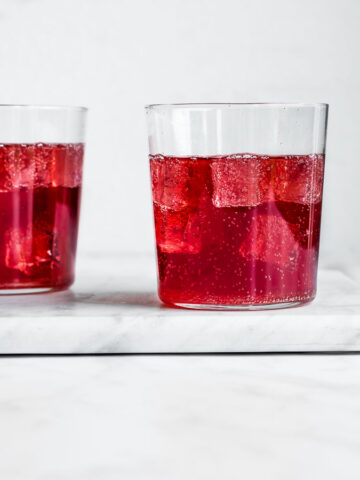
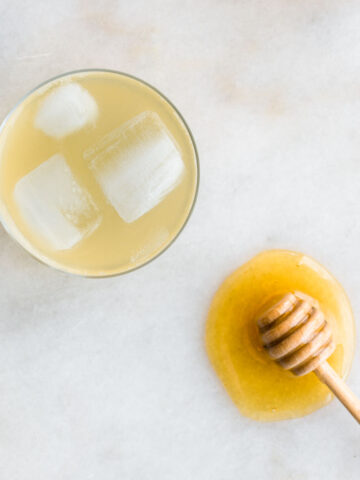
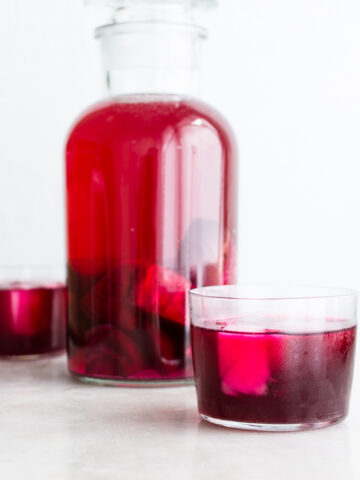
Try these other fermented drinks next:
References
- Fleming, T., et al. (ed) (2000) The Physician's Desk Reference for Herbal Medicine. Medical Economics Company.
- Armanini, D., et al. (2004) Licorice reduces serum testosterone in healthy women. Steroids.
- Liangliang, C., et al. (2017) Purification, Preliminary Characterization and Hepatoprotective Effects of Polysaccharides from Dandelion Root. Molecules.
- Yu, et al. (2011) Safrole induces cell death in human tongue squamous cancer SCC-4 cells through mitochondria-dependent caspase activation cascade apoptotic signaling pathways. Environmental Toxicology.
- Yu, et al. (2011) Safrole induces apoptosis in human oral cancer HSC-3 cells. Journal of Dental Research.
- Du, et al. (2006) Safrole oxide induces apoptosis by up-regulating Fas and FasL instead of integrin beta4 in A549 human lung cancer cells. Bioorganic & Medicinal Chemistry.
- Chang, et al. (2006) Safrole-induced Ca2+ mobilization and cytotoxicity in human PC3 prostate cancer cells. Journal of Receptor & Signal Transduction Research.

Marie says
Are the herbs dried or fresh? The only herb I could find fresh would be the ginger. Thanks.
Jenny says
All herbs are dried, except for ginger.
Robin says
I was wondering if I could use extracts instead of powders?
Jenny says
Hi Robin!
This is a traditional recipe for root beer — which is herbal and naturally fermented. For a more modern take, you can buy root beer extract (which is typically artificially flavored).
Patricia says
Could I substitute some powdered monk fruit for some of the sugar?
Jenny says
Hi Patricia,
No, you can’t. Fermentation depends upon carbohydrates in caloric sweeteners. Without it, the beneficial bacteria wouldn’t have enough food to fuel fermentation.
As an alternative, you could make a sweet, concentrated root beer tea and then mix in the monkfruit to sweeten it. But it will not ferment successfully.
Terra says
Thanks so much for the recipe! Very nice flavor, but I’d say alittle on the weak side. I only used 8 cups water and still found it alittle weak tasting. But for me no unpleasant bitterness (I was careful to only steep the sassafras as I heard the essential oils will dissipate quickly if boiled). I also cut the sugar by half and found it perfect for sweetness. Next I’ll ferment a few days before putting in swing top bottles.
Heather says
We're about to try this recipe for the Christmas season, and we're so excited. We harvested sassafras ourselves. I wondered what your thoughts were on using apple scrap vinegar for the starter culture. Do you know if the microbes are comparable? Thank you!
Jenny McGruther says
You could certainly try, but I'd venture that the ratio of microbes wouldn't be quite right. Apple scrap vinegar is heavy on acetobacter, and I'd recommend a starter with plenty of wild yeast for this recipe.
Kim says
Hello from Belgium! Thanks for sharing your recipe!! My American husband really misses the root beer from home, and now that I'm learning about fermenting, I'm gonna try to make it for him!
Am I right to notice that the links to the ingredients are mixed up? I'm so new to these ingredients that I need to double check if I have the right ones 🙂
Craig says
I love your website... always passing it on to people as I travel, especially when asked about making homemade fermented drinks!
Been making and enjoying your root beer recipe, but every time I make it I have LOTS of carbonation. So much so that it takes me at least 20 minutes to just carefully off gas a bottle before getting able to drink it. Can´t give away any bottles to friends either because of this issue! Even tried putting my bottles into the freezer to get them extra cold before opening...
I use a homemade ginger bug for starter, took out the dandelion root as it was a bit bitter and substituted it with peppermint leaf, allow for 2 days of room temp (about 75 degrees) and then in the fridge.
Any suggestions on how to improve this or is this something I just need to work with living here in Colorado?
Eric says
Can you seal this in beer bottles with a cap on them after, or will they eventually explode/blow the cap off?
Also, how long does it keep that way?
Jenny McGruther says
You can seal this in beer bottles, but you do risk explosion - especially over extended periods of fermentation, in hot weather, unrefrigerated.
Sue says
I see there are different kinds of sarsaparilla, I had Indian sarsaparilla and Jamacian sarsaparilla,in my opinion the Indian sarsaparilla has better flavor. Maybe a preference.,also mine wasnt getting bubbly so I added some raisins to help it out. It turned out pretty darn good!!
Noelle says
Hi, thanks so much for your recipe. I want to make it but I’m not going to ferment it. Your instructions say to use 10 cups of water. The note at the end says to add only 1 and a half cups sugar. If I’m doing the sparkling water method, should I boil the tea in a much more concentrated ratio to make concentrate? Like 3 cups or 5 cups of water? Thanks so much for your creativity and coming up with this recipe.
Jenny McGruther says
If you will be making a syrup to dilute in sparkling water, you need to add 1.5x the sugar as the final amount of reserved decoction. So, if after boiling and straining you have about 8 cups, you will need to add 12 cups of sugar.
Kim says
I would make the syrup listed in the variations at the end of the recipe then add it to your carbonated water.
Taylor mckinney says
Hello! We just made your recipe and bottled it we are wondering if we have to pop the lid once a day the next two days as it ferments? Or do we keep it sealed 2 days? Just want to make sure it doesn't explode lol. We can't wait to try it!!!
Jenny McGruther says
If your kitchen is warm, you should pop the top to allow some of the excess gas release. Keep in mind that if you pop it too often, you'll lose some of that effervescence. I recommend fermenting in a cooler or other contained space which can contain any explosions (which are very rare, but still a potential risk).
Katelynn says
Hi there! My husband and I just tried this recipe for the first time and from our calculations it should fill five 16 oz bottles, however, when it was all said and done we only were able to fill three 16 oz bottles. I noticed it didn't specify whether to boil with a lid on or not? We didn't boil with a lid, which resulted in a large loss of volume for us. Was that wrong? Thanks for all your help! Excited to keep trying! 🙂
Jenny McGruther says
Hi Katelynn!
This recipe makes *about* 2 quarts which would fill 4 16-oz bottles. You will lose water first in boiling the herbs and second because the herbs absorb water and you will not be able to extract all the water they absorb.
TA THI TOT says
I'M VERY GLAD AND VERY HAPPY TO FIND YOUR INTRUCTION OF HOW TO MAKE ROOT BEER.
MANY THANK YOU MS JENNY MC GRUTHER FOR YOUR THROROUGH EXPLANATION.
I LOVE TO DRINK ROOT BEER SINCE I WAS A CHILD BACK IN THE 60'S.
Laura Morrison says
Is it 1/4 cup if substituting wintergreen for sassafras?
Jenny McGruther says
You could try and let us know how it goes.
Adam says
Thank you for this great looking recipe, and all the great background information.!
Karla Joy says
Thank you! This is wonderful. I'll be able to enjoy root beer again.
Nancy says
Thank you for this recipe!
The Moose. says
Hi Jenny,
Would the fermentation create any alcohol?
I’d love to make this as I cannot find a decent root beer in the UK (Dad’s Old Fashioned is not available), but I have been teetotal for three years now and don’t want to start drinking again by accident.
Cheers.
Jenny McGruther says
All fermented drinks will have a trace amount of alcohol (typically 0.5-2%), but what you could do is make a syrup by combining sugar with the decoction of herbs, and then adding that to sparkling water.
Jessica Gibb says
Hi there
I have been brewing Kombucha for a few years now. I have attempted several variations with it and had good success! I have been wanting to try doing root beer. As a very young child my best friend's dad would make it, and it was FABULOUS! I had high hopes for mine. I am sadly disappointed. It is growing mold. What did I do wrong? I used a SCOBY instead of gingerbug, cuz ya know...I have a plethora. I am determined to get it right! It took a couple weeks to track down, and order, all the ingredients. Everything I used was in a dried form except the ginger root. I used blackstrap molasses and white sugar. Any and all suggestions would be greatly anticipated snd appreciated!! Thanks!
Joel says
This recipe looks great! I have my ginger bug going great again, and I'm excited to make root beer again. But...sassafrass is expensive! Have you made it without? What would you recommend to adapt this recipe to make it without sassafrass?
Thank you!
Scott Boyd says
My brews seem to have a prominent licorice taste. I'm looking for a flavor that allows more of the other ingredients to come through. I am using your recipe verbatim. Any suggestions?
Jenny McGruther says
If it tastes too heavy of licorice, I'd remove both the licorice and the star anise.
Annie says
Hi, this recipe is really well balanced and great! Have a fermentation question. First time I made this, did not get bubbles in the soda but tasted great and didn't have any solid matter in the bottle. Second batch I've made, the ginger bug was REALLY going strong, and 2nd day of fermentation of the root beer in the bottles I can see a strain / culture of probiotics growing in the bottle, a pretty thick strand of it like you would see in kombucha.
Is this normal for root beer brewing? Or is it a sign of another type of yeast or other bug that got in the bottle? It's consistent in all 9 fliptop bottles so it's not a 1-off. thank you!
Jenny McGruther says
Hi Annie,
It sounds like it developed a SCOBY which can occur with ginger bug - especially if you also brew kombucha or kefir in your home, too.
Andriea says
Hi Jenny! I've been searching all over for the root beer recipe I used two years ago, to mixed reviews. After looking at a lot of recipes I think I have sour original recipe before you updated it. My copy has hops, wild cherry bark and juniper berries. Sound familiar?
If so, I'm curious why you took them out, but I'm anxious to try this new version.
Thanks for sharing
Jenny McGruther says
Hi Andrea,
I pulled the hops, cherry bark, and juniper berries from the recipe because they lend a bitter, medicinal note to the root beer that many people found unpleasant. This version is a softer, milder version.
Andrew Suggs says
Didn't FDA banned sassafras use and food products in the late seventies?
Jenny McGruther says
Yes. Read the post.
Jo says
How different does this taste than A& W Rootbeer? I'm just curious, as I have never made anything like this. I would like to try this out. Also where do I purchase all the ingredients? Thank you.
Jenny McGruther says
It will taste very different from commercial root beers (which are mostly made with artificial flavors). It has a bitter, medicinal note but the undercurrent of sassafras is there. I've listed sources for the ingredients above.
Zach says
So I just made this recipe, everything went great. I strained my roots out using cheese cloth, so the mixture was a little hazy when I put it in the bottles. Today, when I went to look at it there is a foamy layer that looks almost like fat, kind of jelly like? Is that normal? I'm thinking it is just some of the floating sediment since I didn't put it through a fine filter, but I don't want to drink it if it may be harmful??
Jenny McGruther says
It may be yeast from your starter culture, depending on which starter you used (like the formation of a SCOBY). I'd strain and drink, as long as it smells good and tastes slightly sour/tart, you should be okay.
Bryson Fico says
The homemade root beer was so much fun to make. We had a lot of fun searching for the freshest ingredients at Pikes Place Market.
jennette says
I made this with my daughter in the fall, we had a great time foraging for some of the ingredients. The ginger starter was so easy to prepare and everything tasted fantastic!
Gwendalin says
This root beer recipe was the best thing I've ever made my kids and I loved it.
Joshua says
Hello Jennie. I was wondering, is this an alcoholic root beer? My family and I want to make root beer but I have three little children and my wife and I do not drink alcohol. I noticed in the description that you mentioned fermentation several times. Just looking for clarification? If this is an alcoholic drink, do you have a recipe for root beer that is non-alcoholic?
Thanks
Jenny says
Hi Joshua!
Fermented drinks contain about .5-1% alcohol by volume. For perspective, this is about as much as you'll find in ripe fruit. Historically, these lightly fermented drinks were given to children (and I give them to my own children - including small amounts to my 2 year old). Lightly fermented drinks were also considered "temperance" drinks in old cookbooks. Currently, lightly fermented small beers are given to schoolchildren in Belgium and other places in Western Europe.
But, if you want a completely alcohol-free version, you could turn the decoction into a simple syrup by boiling it down with sugar, and then you could add sparkling water back to the simple syrup. Of course, you'd lose all the benefits of probiotics in the process.
Judy says
With all the fermenting soda that I've been making lately, I find that using a ginger bug for all of them is the best bet! Skip the kiefers Etc!
Jennie Beardsley says
Can I use Dandelion roots dug from our property, washed, peeled and ground and get same results? Also, can I use bark from local Birch trees, washed and ground? Is it the bark slightly under the top layer that's what to use? Actually in both cases since they're getting steeped, would it be better to not grind and just use hunks? We don't use any chemicals at all on our property. I'm so excited to make this for my family! Thanks, Jennie B.
P.S.: I immediately began wondering about that study, thanks so much for addressing it and allaying my fears.
Jenny says
Hi Jennie! How lucky are you that you have all those resources nearby! Yes, you can use dandelion roots. And here's info on harvesting bark: https://theherbalacademy.com/harvest-bark-correctly/. The herbs I use are dried, and coarsely chopped. I'd recommend avoiding powdered herbs as they'll leave a sediment in your root beer.
Jennie Beardsley says
Thank you!
Andrea says
This was very close to the flavor I was looking for. I believe I will leave the dandelion root out of the next batch and see if that solidifies it for me.
Thank you for sharing this. This was the closest to what I remember my great grandmother making many moons ago.
I used water kefir and it got some beautiful fizz!
Jess K says
I LOVE that you put such fascinating folklore and history into this recipe post! My grandfather used to make his own root beer and my mother told my sisters and I childhood stories of hearing spontaneous poppings and explosions heard up in the attic (from forgotten bottles that just couldn't keep their tops on!)
I learned first-hand this past winter that the bark of sweet birch trees, when a thin branch is broken off, gives off a potent wintergreen aroma! Woodsmen would chew the twigs or brew overnight wintergreen tea during the cold months of the year. But alas, the volatile oils in both birch bark and wintergreen leaves (which I have also chewed while hiking, along with birchbark) are delicate and very easily lost. This is why it is difficult to find wild harvested wintergreen for sale - it simply can't hold onto that elusive flavor for long! Intense heat will also cause the volatile oils to dissipate as well. I bet a great substitute for the wintergreen leaves would be the addition of sweet birch bark tea. To brew some yourself, just look for "overnight steeped" recipes online... they are delicious and successfully capture the fragrance. I cannot wait to start collecting ingredients to try this recipe - you never cease to amaze me with your inspiration and cleverly researched ideas! Happy brewing and "May the forest be with you!"
Mark says
This was delicious! This tasted just like the homemade root beer we would purchase as kids when our parents took us to the local "Old Settlers Days" Rendezvous. A small company called "Bud's Homemade Root Beer" out of Alton, IL made batches that tasted just like this, except they sold it non-carbonated. Your recipe is exactly spot on with theirs! You don't understand how happy you have made me. Thank you so much for providing this recipe!
kyle says
We tried your root beer recipe. But it seems to have a bitter aftertaste, maybe a bark taste We can't really tell what it is because we don't know what the herbs taste like. Any help would be appreciated.
Kate says
Traditional root beer was often a bitter brew. Earlier tastes were different from modern tastes which are addicted to "sweet" The sassafras, sasaparilla, licorice root, dandelion root, were chosen for their medicinal properties. If you don't like the recipe as is adjust the ingredient by reducing and/or reducing the bitter herbs. Local brews substituted ingredients based on what was available to the brewer, sch as dried sweet woodruff for vanilla bean (expensive and hard to get) or wintergreen leaf for birch bark (same flavor- grows different places) anise seed for licorice root - same flavor but not same medicinal properties. Taste the decoction (during cooling - before fermenting) and play with the recipe and make it your.