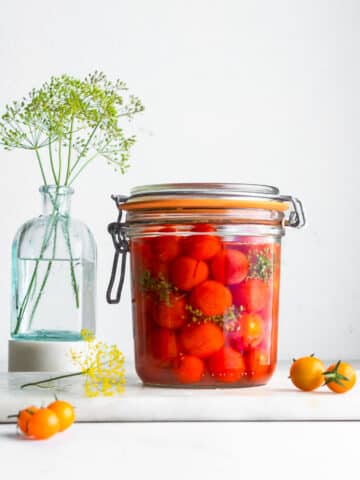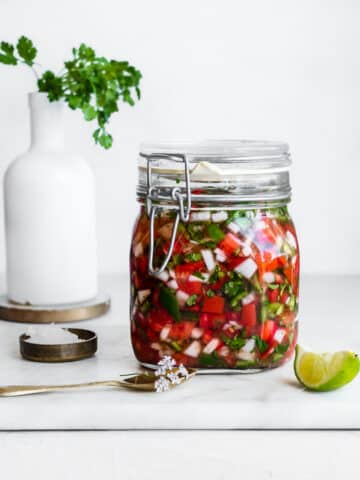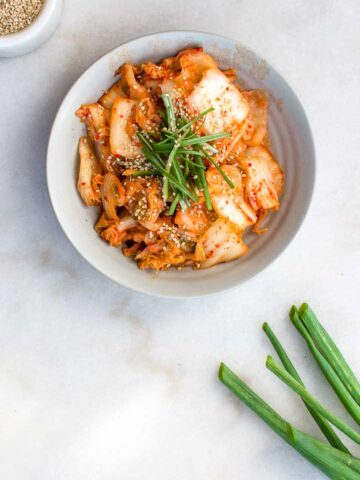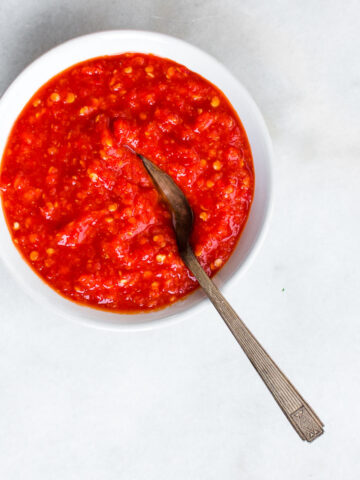
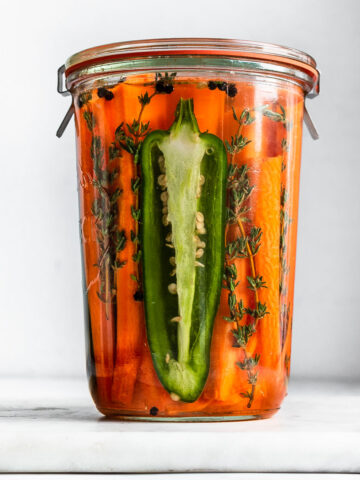
Fermented foods: sauerkrauts, kombucha, yogurts – represent a staple aspect of traditional foods across the globe; that is, traditional cultures around the world each practiced the art of fermentation. And while many fermented foods were born out of practicality – a way to preserve the harvest of summer well into the dark days of winter – even those tropical and equatorial peoples who had no need to preserve food still fermented at least some of their foods.
Supporting Wellness with Fermented Foods
Fermentation imbues our foods with probiotics – that is beneficial bacteria. These bacteria, when ingested, populate the intestinal tract and begin to interact with the body in a positive way by training the immune system, manufacturing vitamins and keeping opportunistic bacteria at bay which is why it is an essential aspect of not only a traditional foods diet but also an essential aspect of healing protocols like the GAPS diet, the Specific Carbohydrate Diet and the Body Ecology Diet, all of which provide protocols for healing the gut, and addressing issues of digestion as well as systemic health.
Fermented foods are typically also raw foods; however, fermented foods can be cooked after fermentation (think of sourdough bread). Cooking damages the probiotics present in fermented foods, but it Wild-fermented foods require little but vegetables, salt and time; however occasional recipes require the use of a starter culture (consider water kefir, milk kefir and kombucha) and those undergoing specific healing protocols may find benefit in using a specifically formulated starter culture in all ferments which provides the added benefit of culturing very specific beneficial bacteria.
Fermented foods are healing foods.
Fermented foods offer a plethora of benefits. They support systemic wellness, digestive system health and proper functioning of the immune system. The links below provide you with quick reads and simple information covering the benefits of fermented foods as well as the history of fermented foods.
- Fermented Foods & the Benefits of Lactic Acid Fermentation
- Probiotics & Prebiotics
- 10 Cultured Dairy Foods
- Dairy-free Probiotic Foods
- Kombucha: a Reintroduction
- Fermented Foods that Kids Love
- Healthy Foods to Heal a Leaky Gut
- 8 Easy Ways to Support Digestion Naturally
Ready? Make These Recipes
Ready to dive in? Start with these simple recipes for fermented foods. For those new to fermented foods, for reluctant spouses and for picky children, it’s often best to begin the introduction of fermented foods by fermenting foods they already enjoy: homemade ketchup, fermented chili sauce, homemade yogurt, salsa and sour pickles are good choices.
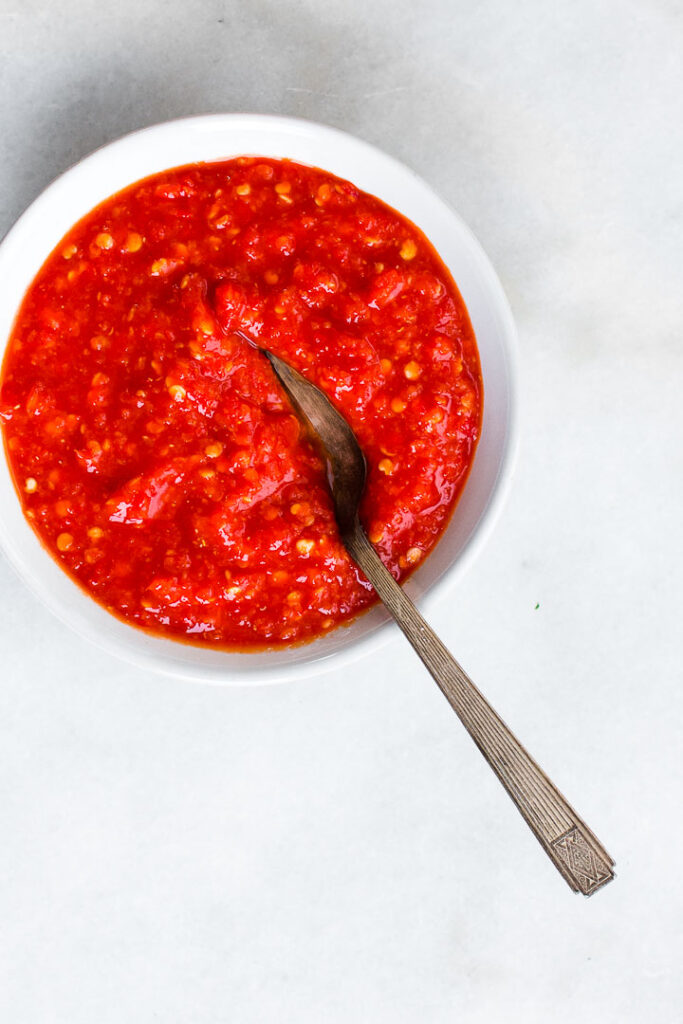
- Fermented Hot Chili Sauce
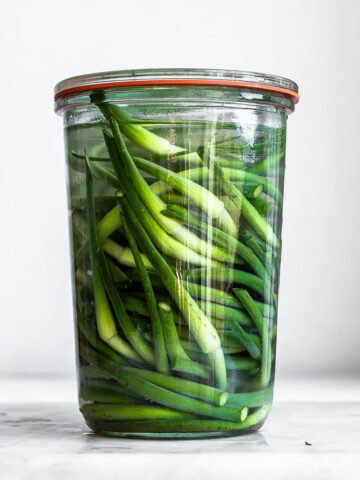
- Brine-pickled Garlic Scapes
- Fermented Berries
- Raw Milk Yogurt
- Homemade Horseradish
- Probiotic Apple & Beetroot Relish
- Milk Kefir
- Sour Pickles
- Homemade Sauerkraut
- Water Kefir
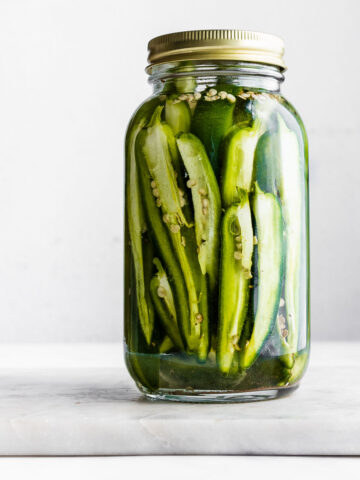
- Brine-pickled Jalapenos
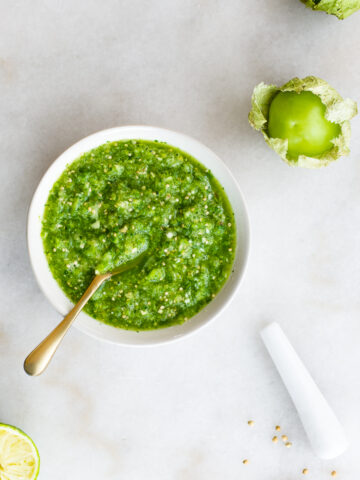
- Salsa Verde (Fermented Tomatillo Salsa)
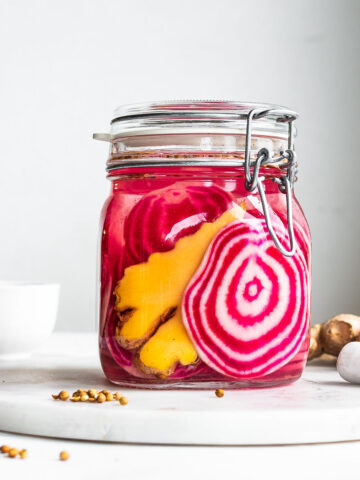
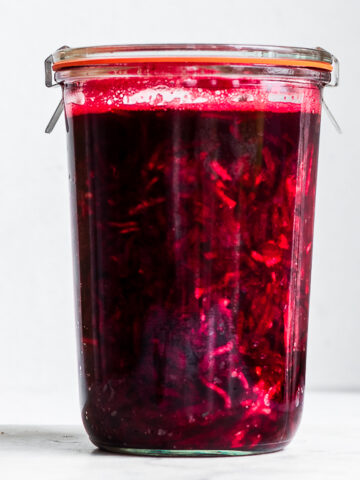
- Fermented Beets with Orange and Ginger
- Homemade Root Beer Recipe
- Kombucha Vinaigrette
- Jun Tea
- Cinnamon Spice Kombucha
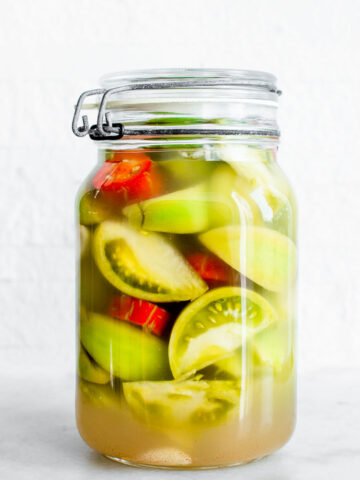
- Fermented Green Tomatoes and Hot Peppers
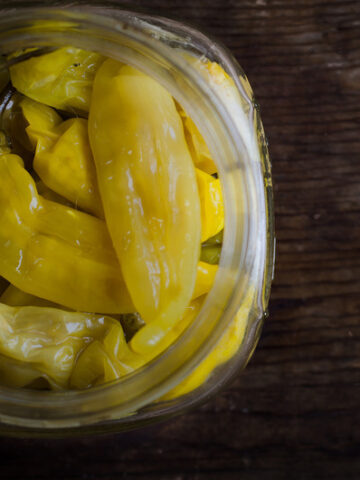
- Brine-Pickled Pepperoncini
- Ginger Bug for Homemade Sodas
- Probiotic Lemonade Soda
Get Started with These Resources
Now that you’re ready to get started, you’ll need to know where to get starter cultures, fermentation crocks and good quality sea salt for your fermented foods. And if you really like how it goes, check out the online cooking class designed to teach you to ferment anything as well as the cook books and other goods.
- The Nourished Kitchen: My cookbook with LOADS of fermented foods
- Oh Lardy’s Guide to Fermented Fruits and Vegetables
- Real Food Fermentation by Alex Lewin
- Wild Fermentation by Sandor Katz
- My Favorite Fermentation Crock
- Where to Buy Sourdough Starters, Milk Kefir Grains and More
- Where to Buy Kombucha Tea and Jun Tea Starters


Amazing master list of resources. Thank you! My own health and challenges are really turning around with a diet that helps and heals.
Hi Jenny, I recently became a nurse – changing from building homes to nursing – after years of reading up on the very issues you talk about. Now I’m focusing my nursing career in this area of health – including it with my focus on nutrition and fitness. I’m so glad to have found your site and recently got your book “The Nourished Kitchen”. These truths need to become more mainstream in our society. Good for you for doing this! I have referred a few friends and family to your site, as well.
I’ve been making some fermented foods for a few years. I started out by going to Fermentation Fest in Reedsburg, WI. I’ve been fortunate enough to attend classes there given by Sandor Katz, and other experts. For me, seeing and/or actually doing things in person is better than a webinar, as great as those are. And having this great resource only a few hours from where I live is pretty amazing. I’m going this weekend (Oct. 3-5) for the first set of classes for this year and will be expanding my knowledge base on cheeses and other items. One of my daughters comes along and we have a great mother/daughter weekend. Reedsburg is also close to the Aldo Leopold Foundation and WI Dells, so there is plenty to do in the area if you don’t find enough classes to fill your day.
http://fermentationfest.com/
Thank you for the awesome list of resources on fermented food. I’ve been looking into making my own fermented food as a way of making my diet healthier, and this seems a great start.
I have a genetic condition called Hemochromatosis (iron overload) that affects about one in three hundred people. One of the symptoms is IBS and I started fermenting to add probiotics into my diet. It worked but my iron readings shot up steeply and I now find out that fermented foods can help the body bind iron. Great if you are anemic but bad for us Rusty types!
I am going to try and walk the tightrope between helping my IBS and keeping my iron low. Anything you can do to raise Hemochromatosis awareness would be very much appreciated.
Jenny, thank you for your inspiring cookbook! I am blessed to now be living back on the Olympic Peninsula of Washington State where small organic farms are the norm rather than the oddity. We eat well here and have access to not only sublime produce but pasture raised chickens and their eggs, pork and grass-fed beef. But what launched me in your cook book was the art of fermentation and I’ve been captured and having a delicious time of it…quite literally. We are fortunate also here to have a raw milk dairy of Jersey cows just 25 miles from me. Just today I decanted 1 quart of cream from a 1/2 gallon of Jersey milk! I’d been making kefir but found too much butterfat showing up and came up with the idea of skimming off the cream and making cultured butter. Yep. I’ve got the cream and the kefir grains and I’m off and running probably this weekend. Your cookbook is fabulous and it fertilized me even more into more ideas. Thanks and I love following your recipes and what you are doing to bring traditional foods that truly nourish us, back into awareness and their glory!
In my opinion, fermented foods went through a little bit of a decline in the West, but are coming back now. For a long time, they were the only game in town, and when conservation was invented, people wanted to do just that – https://en.wikipedia.org/wiki/Canning But now, things like sauerkraut are slowly gaining in popularity. Living yogurts is a big one too, though some studies have shown that if you are trying to change your microflora using yogurts, it is unlikely to work, your internal ecosystem is pretty stable. For herbal teas, you can use fermented Chamerion angustifolium, if it is available in your location. Of course, other types of herbal tea can also be used, such as melissa – https://herbalref.com/melissa-melissa-leaf-melissae-folium/ , camomille and others. They are also good as a mild medicine and will help you relax (usually, some are stimulating). Many of those herbs used as fresh or dried up, but maybe fermentation can also be used.
Fermented foods is the most important thing in our battle against dietary diseases and allergies. I have seen thousands of people enjoy our naturally fermented wheat products that we fresh grind who have bloating, headaches, indigestion, etc with normal processed wheat products. Having naturally baked for two decades commercially fermentation is key unless we want to only eat corn 100 years from now. You can find more at our wheat and fire pizza catering website under the about a pizza caterer section sub topic healthy dough