Why Everyone is Talking about the GAPS Diet, Plus 5 Resources to Get Started

Print Friendly and PDF

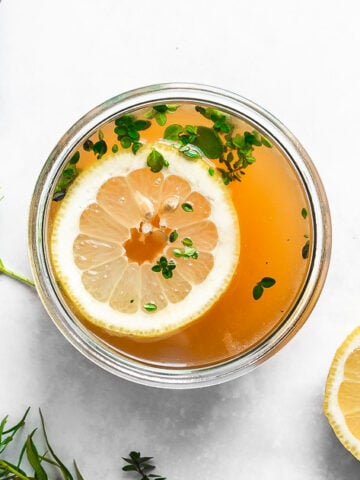
gaps diet soup

What is the GAPS Diet?

Wondering what the GAPS Diet is?  You’re not alone.  The GAPS diet is a comprehensive healing protocol developed by Dr. Natasha Campbell-McBride, a neurologist and nutritionist who specializes in healing of issues like autism spectrum disorders, ADD/ADHD, dyspraxia, dyslexia and schizophrenia by treating the root cause of many of these disorders: compromised gut health.

While it may seem strange or even unbelievable that neurological disorders like autism can be mitigated or even addressed through dietary changes, families that have been dissatisfied by currently available treatments have flocked to the GAPS diet, and many have experienced recovery.

About 10% of Nourished Kitchen readers adhere to the GAPS diet (that’s about twice the number of both vegan and vegetarian readers).  Mothers and fathers have seen autistic children begin to lose symptoms, find relief from painful gastrointestinal upset and regain the ability to express emotion after adhering to the GAPS diet.  People suffering from food intolerances and sensitivities have seen recovery. Recovery takes time, and the GAPS diet doesn’t work overnight.  Indeed, GAPS is best referred to as a healing protocol as it involves both comprehensive detoxification coupled with dietary changes and supplementation.

GAPS begins first with an introduction diet (though many people, to ease their transition begin first by incorporating the full GAPS diet and return to the introduction phases at a future date when they feel more confident in their transition).  In the introduction diet offers about six stages before the full GAPS diet can be resumed, with the beginning stages allowing little more than broth, good quality fat, easily digested vegetables, boiled meats and the juice of fermented vegetables. You eat lots of soups on the GAPS diet.

Once symptoms no longer appear, additional foods like fruit, raw vegetables and their juices, nuts and nut flours are slowly added until you’ve reached the full GAPS diet which allows most wholesome foods, but still excludes grains, starchy tubers, sugars (except for honey) and other foods that can potentially damage an already compromised gut.

Like any diet or protocol for healing, GAPS is tough – at least in the beginning – when you’re re-learning how to shop, how to cook and when you must rely exclusively on your own skills as restaurants are strictly out of the question.  So as my family works its way through GAPS, I’ve found a few resources that have helped us and that you might find helpful, if not essential to your journey of healing.

My Favorite Resources for the GAPS Diet

30 Days on the GAPS Intro

Like any elimination diet, the GAPS intro is comprehensive, omitting several foods: grains, fibrous vegetables, fruits, legumes and starchy vegetables.  Throughout the introductory stages, many of these foods are slowly re-introduced to the diet, but beginning the GAPS diet can feel overwhelming – not only in determining which foods to eat (and which to omit) depending on your stage of the introduction, but also the process of systemic detox can be confounding, particularly for those who are new to the concepts of natural family living.

What Can I Eat Now? 30 Days on the GAPS Intro is a comprehensive e-book that provides a clear, step-by-step guide to surviving the individual stages of the GAPS introduction.  Indeed, as we journey through the GAPS Intro Diet, this book has been my single most used resource.  From information on what to pick up before starting the introduction (like good quality knives and grass-fed beef) to recipes organized by stage, the e-book offers 57 pages of the most comprehensive and practical look at GAPS I’ve seen.  Better yet, it is actually approved by Dr. Natasha Campbell-McBride for use with the GAPS diet.

You can download a copy here, and enter the coupon NK20 for 20% off.

Reversing Food Allergies

Reversing Food Allergies is a video-based online class designed around principles similar to GAPS; that is, heavy emphasis on detoxification and digestive healing through broths, pasture-raised meats, wholesome fats and plenty of fermented foods.  The class is taught by a chapter leader for the Weston A Price Foundation who healed herself from sensitivities to several foods through a comprehensive elimination of offending foods coupled with follow-up care that included plenty of fermented foods, broths and stocks, healthy fats and other nourishing foods.  The online class provides comprehensive information on preparing these nourishing foods and how doing so can heal the lining of the gut and help to eliminate food sensitivities, thus helping to resolve gut dysbiosis and improving overall health.

You can register online by clicking here.

Meal Planning Services

Adhering to the GAPS diet is more than a temporary fix, it is a comprehensive lifestyle change and that means there’s little room for compromise outside of the foods recommended on the diet.  Remember: this is about total and systemic healing, and that takes time.  There’s no eating out; there’s no quick-fixes or short stops at the drive-thru or at your grocer’s deli.  Further, many of the foods require advance preparation techniques and while these techniques require neither extensive time or skills, they do require planning: fermentation, broth making, soaking beans and legumes (permitted on the full GAPS diet, but not the intro). So if you’re not an avid meal planner or just want a little help with making dinner, meal planning services can prove invaluable.  Meal plans provide simple shopping lists, to-do lists and recipes for nourishing, wholesome and well-balanced meals – so you’re not bored or struggling for what to make for dinner.

Depending on your individual needs and those of your family, you might try the Grain-free meal plans which provides a comprehensive monthly meal plan of very basic family favorites: every meal of every day of every week is covered by this plan.  Alternatively, if you just need a little inspiration, try Simple Dinners which provides three full dinner menus each week featuring more advanced techniques and inventive, seasonal menus.  Both plans are GAPS- and SCD-compliant and teach you how to incorporate nourishing foods like broth, organ meats and ferments into your family’s regular diet.

Sign up for he Grain-free Meal Plan or for Simple Dinners.

GAPS Book & GAPS Guide

Reading Gut & Psychology Syndrome by Dr. Campbell-McBride helps you to better understand the healing protocol she prescribes, and the reasoning behind her recommendations.  In Gut & Psychology Syndrome, Dr. Campbell-McBride not only describes how and why the GAPS diet works with our digestive tracts to enable optimal healing, but she explains just how schizophrenia, autism spectrum disorders and other illnesses with neurological components can be attributed, at least in part, to compromised gut health.  And it’s through this protocol of healing that huge strides have been made for families suffering from these issues.  While the book is comprehensive, long and dry, it is enormously valuable and helps you to understand the science behind GAPS, and it’s that understanding that helps to motivate you – keeping you going through the strict elimination and slow reintroduction phases of the GAPS intro diet.

GAPS Guide is a simple guidebook that can be used side-by-side with Gut & Psychology Syndrome.  Written by Baden Lashkov, a mother who saw her own son healed through GAPS and has since taken on the calling to help other families work their way through GAPS, the GAPS Guide provides real world advice on the practical application of the GAPS diet.  You’ll see tips for managing the introduction, information on how to work with friends and family who disapprove of the diet and information on troubleshooting your progress.

You can purchase both Gut & Psychology Syndrome and the GAPS Guide online through independent book sellers.

GAPalicious IPhone App

Lastly, I love the GAPalicious IPhone app which can be purchased from the app store.  Knowing exactly which foods are permitted on which stage of the diet (and how they must be prepared) is challenging.  For instance, beans and pulses aren’t permitted until you’ve worked your way through the introduction diet and into the full GAPS diet.  Almonds are permitted once a day in nut flour pancakes on the third stage of the introduction, in bread and pancakes in the fourth through sixth stages and only served whole on the full diet.  Meats are encouraged from stage one of the introduction diet, but shouldn’t be consumed roasted or grilled until stage four and can be served any way it suits you on the full GAPS diet.  Understandably, the diet can feel complex and confusing.  Fortunately, the GAPalicious app allows you to conveniently stroll through foods, mark your stage on the diet and it will tell you not only if the food in question is permitted on your stage, but how it should be prepared.

You can download the GAPalicious IPhone App from the app store.

 Are you on GAPS? Give us your best tips!

If you’re on GAPS, give us your best tips for staying on the protocol and let us know how it’s worked for you and for your family by leaving a comment.  What you share might just help someone else who’s struggling.

Enter your email address below:
 

What people are saying

  1. CS says:

    I’m seaching for info on the gaps diet

    • Heather says:

      I’m also searching for info on it. But with a limited income and I can’t find any details except in books to purchase. Oh well, I guess this diet will remain elusive to me for a while longer. It does sound like just the think I need to get my health back on track though.

      • Jenny says:

        GAPS is deeply effective, but just as deeply complicated and you *do* need to at least read Gut & Psychology Syndrome by Dr. Campbell-McBride to really understand the diet’s premise, how to do the introduction (which involves little more than broth, sauerkraut juice, boiled vegetables and meat while slowly introducing other foods) and when to transition to those other foods. Try a library or book swap, maybe?

  2. Heather says:

    I checked iphone site for GAPalicious app and came up empty. Has it been pulled? I actually don’t have an iPhone, but thought I’d check for resources, and this one sounded like it would make GAPS possible.

Trackbacks

  1. [...] I’ve been following the Gaps Diet recently. I’ve done a lot of research on it, and it makes good sense to me as to how my health is, and how it’s associated with my digestive health. If you’d like to read more about it, here is a great link that gives you the basics of the how and why of the diet. The Gaps Diet [...]

  2. [...] Brenda and her family operate a small farmstead and she blogs about her experiences on the GAPS diet. While my family is away, celebrating the holidays with our favorite winter tradition – soaking [...]

  3. [...] bacteria or you suffer from gut dysbiosis, inulin may exacerbate the issue which is why GAPS patients are typically told to avoid inulin-rich foods.  You can learn more about prebiotics and probiotics [...]

  4. [...] While we’re away at the annual Weston A Price Foundation annual conference, learning about the GAPS Diet, traditional foods and hearing speakers like Denise Minger bust established myths regarding [...]

  5. [...] And during the month I struggled with some health issues related to going gluten free.  Removing gluten from my diet completely opened the flood gates to some auto-immune issues.  During my worst days I had thrush, a nasty fungal rash on my feet, my brain felt like someone had wrapped it in plastic wrap, and I lost vision in one of my eyes.  It was bad.  I cut out all grains and sugar (including fruit) and felt better in 2 days.  After taking the conventional medicine route and being told these symptoms were in my head, I went to a naturopath.  He validated my conditions and recommended the GAPS diet. [...]

  6. [...] absorbent flour with unique properties.  It is favored by those on grain-free diets like the GAPS diet, and you can learn more about baking with coconut flour [...]

  7. [...] tract which is why gelatin-rich broths play such an enormous role in healing protocols like the GAPS diet.  Gelatin also supports skin [...]

  8. [...] absorbent flour with unique properties.  It is favored by those on grain-free diets like the GAPS diet, and you can learn more about baking with coconut flour [...]

Join the conversation.

Got a question? Want to provide a tip or other input? We love comments! Post them here, but remember to adhere to the comment policy. In short: keep it respectful, upbeat and don't spam us.

*