Prebiotics and probiotics represent essential aspects of a wholesome, nourishing diet. Though not the same, prebiotics and probiotics complement one another and work together to improve overall health and wellness. Simplistically, a prebiotic promotes the proliferation of beneficial bacteria while probiotics contain live beneficial bacteria that help to recolonize your intenstinal flora. Both prebiotics and probiotics work in harmony with one another. A diet deficient in either prebiotics or probiotics may severely impact health and immune function in particular.
Prebiotics
Prebiotics promote the growth and proliferation of beneficial bacteria in the digestive system. Unlike probiotics, which are live organisms, prebiotics are components of food that are not otherwise easily digested by humans and these food components essentially feed beneficial bacteria in your gut. Oligosaccharides such as oligofructose and inulin are only partially digested by humans and the remaining components of these carbohydrate molecules feed beneficial bacteria.
Learn More About Probiotics
As inulin and other prebiotics are not well-digested by the body, foods rich in these components do not cause significant rises in blood sugar; moreover, prebiotics like inulin may increase your body’s ability to better absorb iron from the foods you eat1. Traditional diets typically contained over twice the amount of inulin that is present in the Standard American Diet1. Essentially, humans throughout history ate foods richer in prebiotics than they do today. Tubers, greens and other plant foods offer a great source of prebiotics. Take care, however, if you have not typically consumed a fiber-rich or plant-rich diet as these foods may cause gastrointestinal upset if you’re unaccustomed to eating them.
Good Sources of Prebiotics
- Fresh Dandelion Greens
- Radicchio
- Frisee
- Endive
- Jerusalem Artichoke
- Onions
- Asparagus
- Chicory
- Jicama
- Garlic
- Wheat & Sprouted Wheat (See sources.)
- Prebiotic Supplements (See sources.)
Probiotics
As differentiated from prebiotics (which feed beneficial bacteria) and beneficial bacteria themselves, probiotics are foods or supplements that contain live, beneficial microorganisms. Probiotics, when ingested properly, help to recolonize the digestive tract with friendly, beneficial bacteria. Beneficial bacteria are essential to health; indeed, without them, you’d die. Seriously. Beneficial bacteria help your body to synthesize vitamins, absorb nutrients, keep pathogens at bay and interact with directly with your immune system for your overall health4. Intestinal flora is thought to be critical to a vast and wide away of human health issues. Indeed, researchers are even looking at how beneficial intestinal bacteria might prove effective in treating obesity5.
While everyone’s digestive tract plays host to beneficial bacteria, antibiotics and poor eating habits including diets deficient in prebiotics can kill off and inhibit the proliferation of these friendly intestinal microflora. For this reason, it’s important to consume probiotics either as whole foods or as supplements. Consuming probiotic foods and supplements will help to recolonize your digestive tract’s natural flora and encourage their proliferation. This act is particularly important if you’ve come off a round of antibiotics. Remember: antibiotics kill the good guys too.
Good Sources of Probiotics
- Yogurt (See sources.)
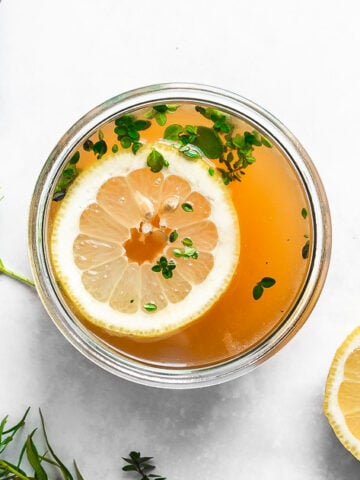
- Kombucha (See sources.)
- Water Kefir (Learn to brew water kefir.)
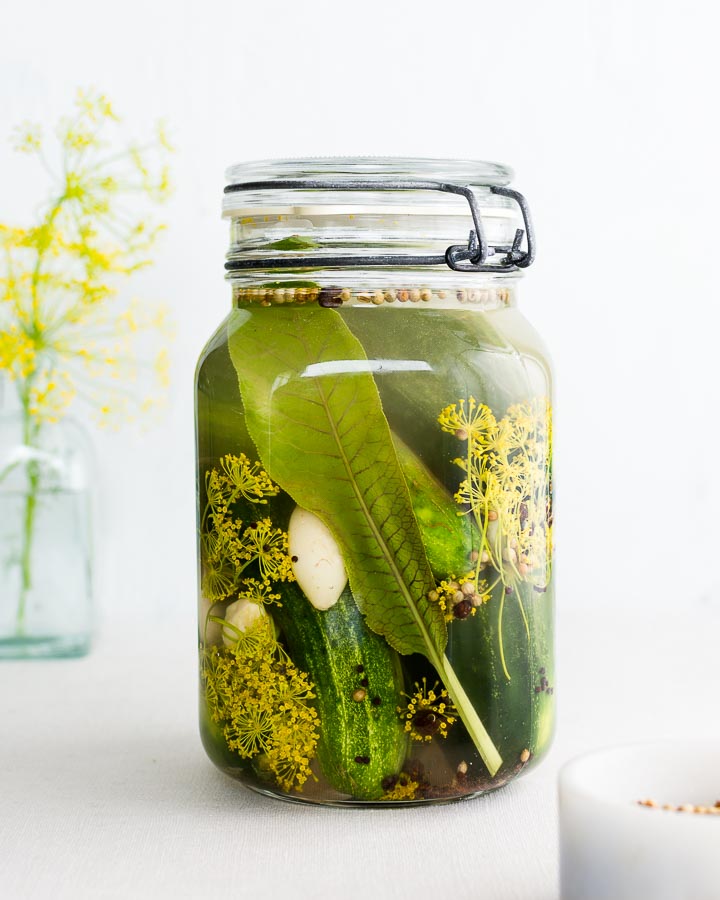
- Fermented & Cultured Vegetables (See recipes for fermented foods.)
- Probiotic Supplements (See sources.)
Probiotics and Prebiotics: They Work Synergistically
It’s important to remember that both probiotics and prebiotics work together, synergistically. While you may load up on probiotic supplements, it won’t do your body much good if you continue to eat a diet devoid of fresh fruits, vegetables and other foods rich in inulin, fructans and oligosaccharides. Similarly, a diet rich in prebiotics will give your intestinal flora something to feed on, but it’s likely that your intesinal flora could use a boost if you’ve typically eaten a poor diet or been at antibiotics at some point (that is, if you’ve lived like most of us).
1. Inulin May Help with Iron Uptake. Science Daily.
2. Inulin and Oligofructose: Safe Intakes & Legal Status. Journal of Nutrition. 1999;129:1412S-1417S
3. Presence of Inulin & Oligofructose in the Diet of Americans. Journal of Nutrition. 1999;129:1407S-1411S.
4. Gut Flora in Health & Disease. The Lancet, Volume 361, Issue 9356, Pages 512 – 519, 8 February 2003
5. The gut microbiota ecology: a new opportunity for the treatment of metabolic diseases? Frontiers in Bioscience. 2009 Jun 1;14:5107-17.
Shop Real Food
Learn to Cook Traditional Foods.
Learn the basics of maximizing nutrients through traditional, time-honored foods. Posts sent Monday through Friday.


{ 1 trackback }
{ 8 comments… read them below or add one }
Very informative! Thanks for mentioning supplements as a source of prebiotics beyond food. Natural food sources are great (I happen to really like artichokes myself!). Unfortunately it can be really tough to consistently get enough just from food. I know my wife – a working mom – struggles enough just getting the kids to eat enough whole grains and veggies, let alone the certain exact ones that give good prebiotic levels. I remember an article where some scientists in the UK created an all-the-prebiotics-you-need-from-food diet, and it ended up that unless you ate dandelion salad and artichoke soup, or chewed on some chicory root every day, it was pretty tough to do.
Excellent information. I always hear about probiotics but very little about prebiotics. I love learning something new. You are a great teacher!
Why do you specifically mention water kefir? Other kinds of kefir are probiotic too, aren’t they?
Thanks for this informative article on pre and probiotics! Our son has suffered from severe food allergies/sensitivities and Eczema since he was a baby. Nothing helped. We took him to all kinds of doctors and children’s hospitals and all they could tell us was that we would just have to deal with this. They could not help him aside of offering potent meds and creams. Our prayers were answered when we heard about the Vidazorb kids chewable probiotics and after a short time of taking them….our little boy looked and felt so much better! He is now fantastic and he can eat all kinds of foods thanks to his little Zorbee chewable!! I really believe that there is a huge amount of information that we have yet to even learn on how much these can benefit our bodies…I believe this because of the transformation I witnessed in our son whom so dramatically changed for the better
Thanks!
Awesome post Jenny!
I agree with you on the probiotic foods, but have reservations when it comes to the *supplementing* of prebiotics.
I tend to not deliberately supplement my diet with prebiotics (especially processed and refined probiotics), though I do consume a number of probiotic-rich foods and a wide variety of non-starchy vegetables (with low amounts of non-tropical fruit in season).
My experience is that processed inulin products and high oligosaccharides (such as Jerusalem artichokes) contribute to excessive gas production (my typically grain-free diet produces very little gas). I suppose I could wait it out and hope that that gassy effect would reduce in time, but the high oligosaccharides foods and supplements also raise my BG far too high, and that isn’t a good at all in the long term. It doesn’t make any sense to me that Jerusalem artichokes are so frequently recommended for diabetics. I’ll have to hope that my probiotics manage without probiotic supplementation.
I can consume most of the other non-starchy prebiotic foods on your list in moderation without any gas production or a unusual rise in BG. But the wheat (I’m also gluten-sensitive) and the Jerusalem artichokes are not a good idea for those with BG issues (hypo or hyperglycemic). It’s a shame about the Jerusalem artichokes, as they were very tasty.
Curious to note: Did you refrain from including dairy kefir in the list of probiotics for a particular reason?
I didn’t refrain from including dairy kefir for any particular reason – it was more of an ommission I think. Dairy kefir is a n awesome source of beneficial bacteria – particularly many that are hard to find from other sources.
Take Care
- Jenny