What’s Your Tradition?

Email This Post Email this Post | Print This Post Print this Post | Share

A thread on MDC’s Traditional Foods forum has me wondering what, exactly, constitutes traditional foods. Indeed traditional foods aren’t quite what our grandmothers ate, nor our great-grandmothers nor their mothers before them. Certainly white sugar and bleached flour have been around longer than any of them though in far smaller quantities. Rather, traditional foods hail back to the deep, dark roots of our ancestors.

The current push toward traditional foods by the likes of the Weston A Price Foundation often includes a reliance on tropical oils like palm oil and coconut oil. Yet, with near certainty, I can say that my European ancestors did not have access–let alone regular access–to coconut oil from the Pacific islands or palm oil from Africa. Tropical oils had no place in the indigenous diets of my ancestors who, most likely, lived in the British Isles and modern-day Germany.
I wonder, too, if they’d have access to other hallmark’s of today’s traditional foods diet like unrefined olive oil–after all olive trees don’t grow in Ireland.

After having read Nutrition and Physical Degeneration, I realize that it is entirely probable that my ancestors’ diet focused heavily on animal foods and fat, raw dairy, cold-weather vegetables, oats and other foods native to their home. Such a diet could hardly be called low-fat.

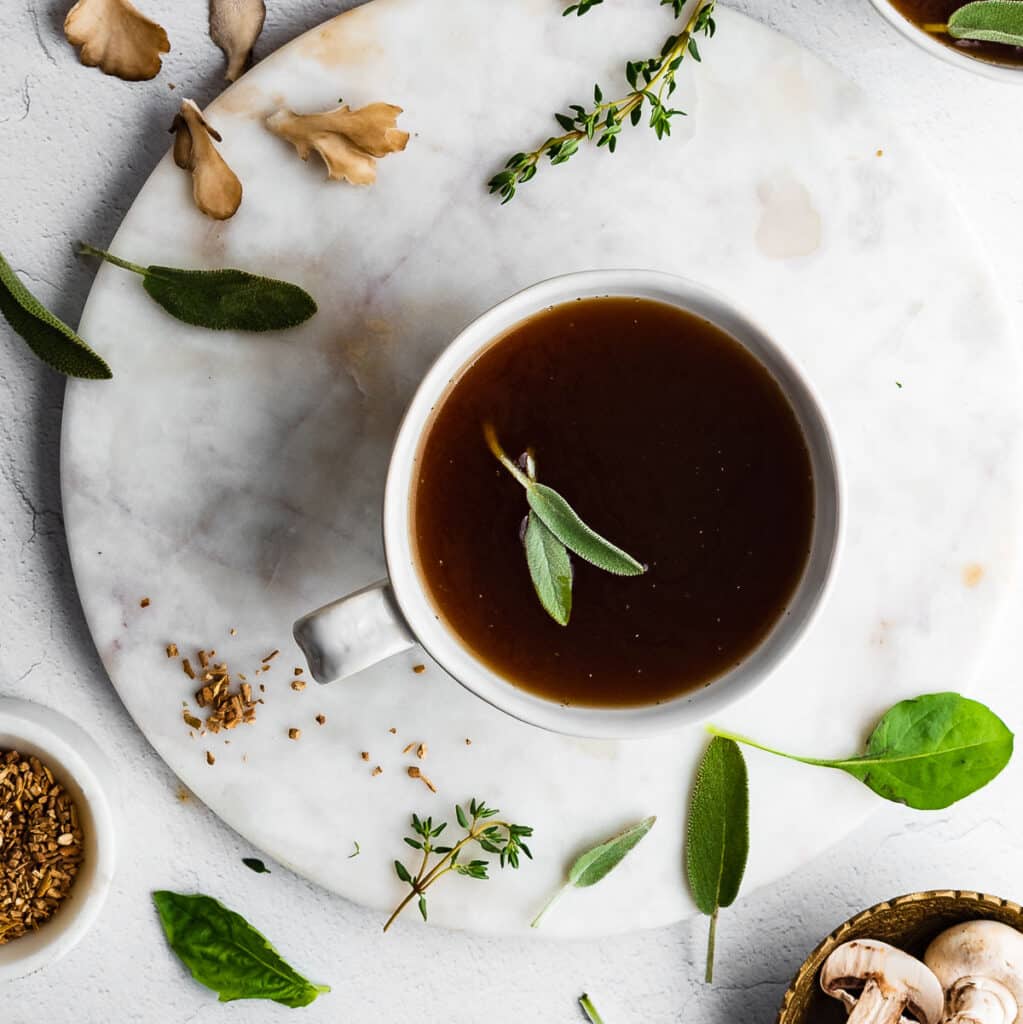
In looking into the traditional foods of my ancestors, it’s likely they would have eaten things like bone broth, oat cakes, wild-crafted berries, fresh cold-water fish, potatoes, porridge, fermented vegetables, soured and sprouted breads, butter and cream. The food of my ancestors was seasonal, and fresh fruit was not available year-round which is, perhaps, something I should think of before tossing a New Zealand apple into my grocery basket come mid-January.

Ultimately, their food was local–and that’s my direction. Maybe I’ll exchange the coconut oil curries and miso soups for nourishing mutton stews and sides of saueruben–which are both made from ingredients found within fifty miles of my home.

Shop Real Food

  • fermented veggies
  • buy supplements online
  • buy unrefined olive oil online
  • buy sprouted flour online
  • buy grassfed butter and ghee online

Learn to Cook Real Food

Keep up to date on the latest from Nourished Kitchen: Recipes, Tutorials, Real Food News.

Enter your email address:


nourished kitchen subscribe chicletSubscribe in a reader

Twitter | Facebook | Flickr

Comments

  1. Brian Glass says:

    I think the whole local food movement is mostly good. However, there are problems with a 100% local diet.

    For example, W. Price found that land-locked societies went to great lengths to get food from the ocean.

    Being from the great lakes region (Michigan), I am aware that in the past the region was known as the goiter belt because of a deficiency of iodine. I have even seen studies showing a high number of fish in the region with goiters. Most goiters are caused by iodine deficiency. One of the best places to get iodine is from ocean foods.

    Also, traditional diets are not all healthy. There are some that are and some that are not. The health of the population of those eating traditional diets may very well depend on the location. Those near the sea were nearly always more healthy than those who were not.

    I try to eat as much local food as possible, but there are some foods you should eat that simply are not available locally.

  2. Jenny, my ancestry is northern European and I’ve often thought the same thing. I like full fat pastured meats, fatty fish, shellfish, and raw dairy, with a little bit of grains, vegetables, and fruit. These were common foods for our ancestors. I’ve looked up some old recipes and found that many of them also include organ meats, even just one or two hundred years ago. They didn’t waste any part of the animal. Haggis and some sausages are modern hold overs, but foods with organ meats added appeared to be much more common not long ago. They seem to have fallen out of favor with squeamish modern eaters and misguided advice to avoid dietary cholesterol and saturated fat.

    Interestingly, Weston Prices concluded that the top three foods for optimal health were animal seafoods, organ meats, and dairy (see Chapter 16 of NAPD).

    I’d love to try some real haggis, but might have to go to Scotland to find the traditional kind.

    Bryan

    PS, I added your blog to my “Healthy Eating Ideas” list :)
    Looks like you’ve got a lot of good recipes and food ideas!

  3. Thanks about this for this reason it is so important for me. Thanks again :)

Speak Your Mind

*